
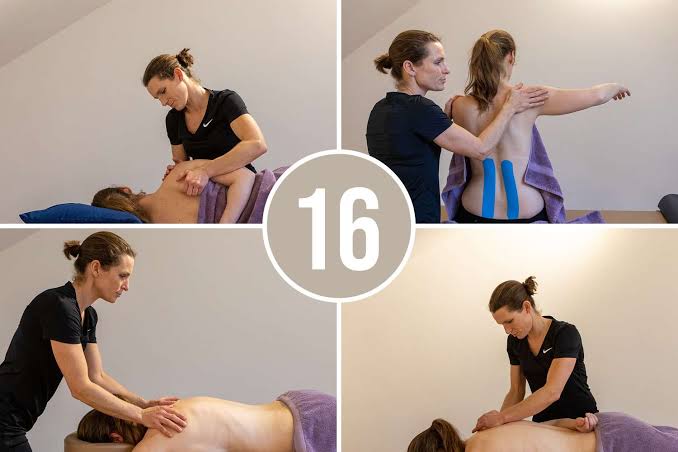
A holistic massage listing should help a reader make a practical choice. It should not require belief in sweeping claims or a guess about what the appointment will be like. The useful details are concrete: available service styles, length, how preferences can be discussed, and whether the setting fits the kind of pause a person wants. Those criteria are enough to make a thoughtful booking.
Decide what kind of bodywork you want
Massage is not one uniform experience. Some readers prefer a familiar Swedish-style appointment; others may be curious about hot stone, aromatherapy, reflexology, or a focused service. The point is not to select the most specialized option. It is to choose a category that feels understandable and to tell the provider what kind of touch, pacing, or focus feels comfortable.
the Thornhill holistic massage therapy page lists several massage formats in the stored page copy, which gives readers a useful starting vocabulary. A menu should open a conversation, not replace it. Questions about the appointment length, service flow, and any preference to avoid a particular area are reasonable before booking.
Read for communication, not promises
Massage descriptions can become vague when they promise to transform a person’s whole state. A better standard is whether the service can be explained plainly. What does the session involve? What is the provider able to discuss? What should a newcomer know on arrival? Clear communication is a stronger decision signal than an adjective-heavy listing.
Keep health concerns in the right setting
Massage is not a substitute for medical diagnosis or treatment. Persistent pain, injury, acute symptoms, medication concerns, and possible contraindications should be discussed with an appropriate qualified clinician. The spa booking can then be evaluated for comfort, preference, and the ordinary experience it offers, without asking it to take on a clinical role.
Choose one service category at a time
A broad spa menu can tempt readers to pair massage with every other idea that sounds relaxing. A more useful approach is to let massage be the focus, then consider a distinct category later if there is a separate reason. Someone seeking a shorter, more focused visit can review a focused hand-and-foot spa appointment on its own schedule. Separate choices are easier to judge than a day built from add-ons.
A good massage listing leaves a reader with a clear picture of the appointment and the confidence to ask sensible questions. When the service type, timing, and communication all fit, the booking can stay simple. That is usually a better sign than any broad claim about what a massage should deliver.
Notice what the listing leaves unanswered
A useful listing does not need to answer every personal question, but it should make the next question obvious. If a reader cannot tell what the service style means, how long the appointment takes, or how preferences are handled, those gaps are worth raising before booking. This turns web research into a more honest process: the page supplies the category, and the conversation supplies the fit.
Readers can also keep a short note after the visit about what felt useful or unclear. Was the pace comfortable? Did the service match the stated preference? Did the day allow enough margin? These observations turn one ordinary appointment into better personal criteria for the future without converting wellness shopping into a high-stakes verdict.
