
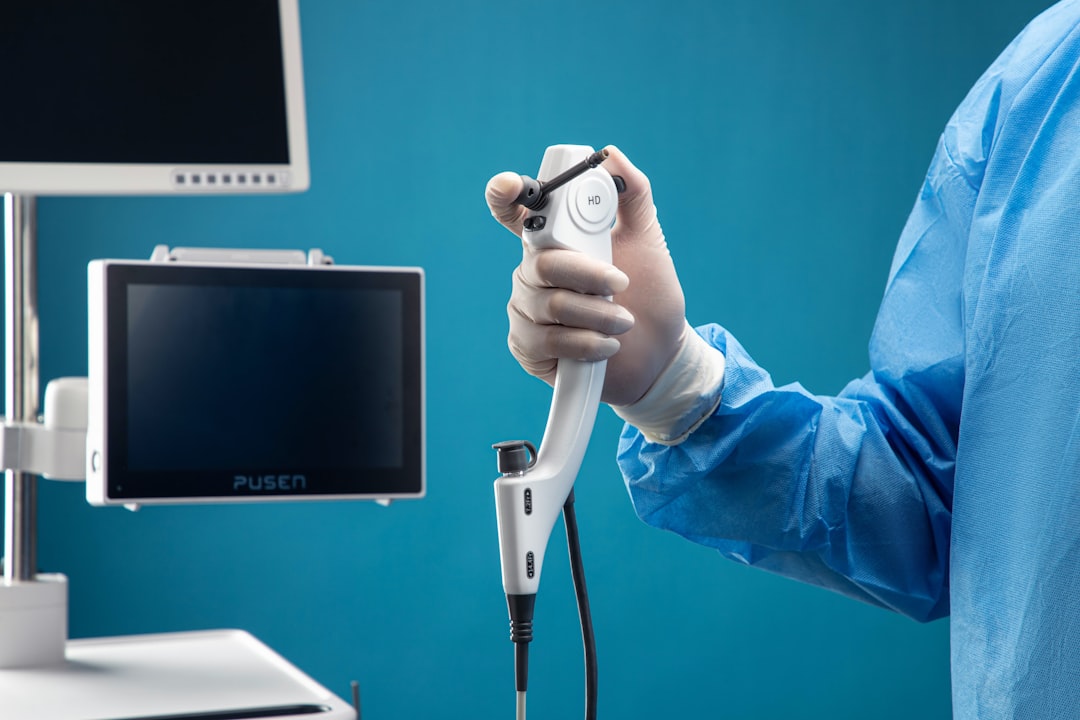
Modern spinal care continues to evolve through techniques that emphasize precision, focused access, and patient-specific treatment planning. Individuals exploring endoscopic spine surgery fl may be considering an approach that uses specialized visualization and instruments to address selected spinal conditions through a small access point. This technique has become an important part of minimally invasive spine care, particularly when a targeted procedure is clinically appropriate.
Contents
- Understanding the Endoscopic Approach
- Care Begins With Detailed Diagnosis
- Conditions That May Benefit From Endoscopic Treatment
- Precision as a Central Feature
- Potential Benefits of Minimally Invasive Treatment
- Personalized Planning Makes a Difference
- Recovery and Continued Spine Care
- Conclusion
Understanding the Endoscopic Approach
Endoscopic spine surgery uses a small tubular pathway and an endoscope equipped with visualization technology. The surgeon can view the treatment area while using specialized instruments to address the identified spinal problem.
Unlike procedures that require a larger surgical opening, an endoscopic approach is designed to minimize unnecessary disruption to surrounding muscles and soft tissue. The technique is focused on reaching the affected area while maintaining a precise surgical field.
Care Begins With Detailed Diagnosis
Successful spine treatment begins with understanding the underlying condition. Back or neck symptoms can result from several different causes, including disc problems, nerve compression, or changes within the spinal canal.
A comprehensive assessment may include a review of symptoms, medical history, physical examination, and diagnostic imaging. These findings help the specialist understand the location and characteristics of the spinal condition and determine whether an endoscopic approach may be appropriate.
Conditions That May Benefit From Endoscopic Treatment
Endoscopic procedures can be considered for selected spinal conditions where targeted access can effectively address the source of symptoms. Certain disc herniations, nerve compression concerns, and other localized spinal problems may be evaluated for this type of treatment.
The decision is always based on individual clinical factors. Anatomy, symptom severity, imaging results, previous treatments, and overall health all contribute to selecting the most suitable procedure.
Precision as a Central Feature
Visualization is one of the defining characteristics of endoscopic spine surgery. The endoscope provides an enlarged view of the treatment area, helping the surgeon navigate the targeted spinal structures with specialized instruments.
This focused method supports careful treatment while limiting unnecessary exposure of surrounding tissues. Precision is particularly important in spinal procedures because nerves and other sensitive structures are located close to the treatment area.
Potential Benefits of Minimally Invasive Treatment
When appropriate for a patient’s condition, an endoscopic procedure may offer several potential advantages. The smaller access point can reduce disruption to surrounding tissue and may contribute to a more streamlined postoperative experience.
Patients may benefit from smaller incisions, limited soft-tissue disturbance, and a potentially efficient return to normal activities. Recovery varies from person to person and depends on the specific procedure, underlying condition, and individual health factors.
Personalized Planning Makes a Difference
Endoscopic treatment is not a universal solution for every spinal condition. A thorough evaluation is essential to determine whether the technique is suitable.
A personalized plan considers the patient’s symptoms, physical requirements, imaging findings, previous treatment history, and recovery objectives. This allows the specialist to select an approach that is aligned with the individual’s specific needs rather than relying on a standard treatment pathway.
Recovery and Continued Spine Care
Post-treatment care is an important part of the overall process. Patients may receive guidance on movement, activity progression, rehabilitation, and follow-up appointments. These measures can support gradual improvement and help restore normal physical function.
Long-term spinal health can also benefit from appropriate strengthening, mobility exercises, posture awareness, and professional guidance tailored to individual circumstances.
Conclusion
Endoscopic spine surgery represents a focused development in minimally invasive spinal treatment. Its combination of specialized visualization, targeted access, and individualized planning can provide an effective option for appropriately selected patients. With careful diagnosis and professional treatment planning, patients in Florida can explore modern approaches designed to support mobility, comfort, recovery, and long-term spinal function.
Quick Summary
- Endoscopic spine surgery utilizes a small access point and specialized visualization technology to treat selected spinal conditions.
- This minimally invasive technique minimizes disruption to surrounding muscles and soft tissue, thereby preserving the anatomical integrity near the treatment area.
- Successful treatment begins with a detailed diagnosis, which includes assessing symptoms, medical history, and diagnostic imaging to determine the appropriateness of endoscopic treatment.
- Conditions suitable for endoscopic treatment may include certain disc herniations and nerve compression, with decisions based on individual clinical factors.
- The endoscopic approach offers potential benefits such as smaller incisions, reduced soft-tissue disturbance, and a quicker return to normal activities.
- Personalized planning is crucial in endoscopic spinal treatment, as a thorough evaluation helps tailor the approach to the unique needs of each patient.
